Whether you’re a seasoned fantasy manager or a complete newbie, the 2025–26 NHL season brings a great mix of elite superstars, breakout candidates, and undervalued sleepers. This guide from the hockey viking will help you draft smart, build a balanced roster, and identify targets that deliver top value.
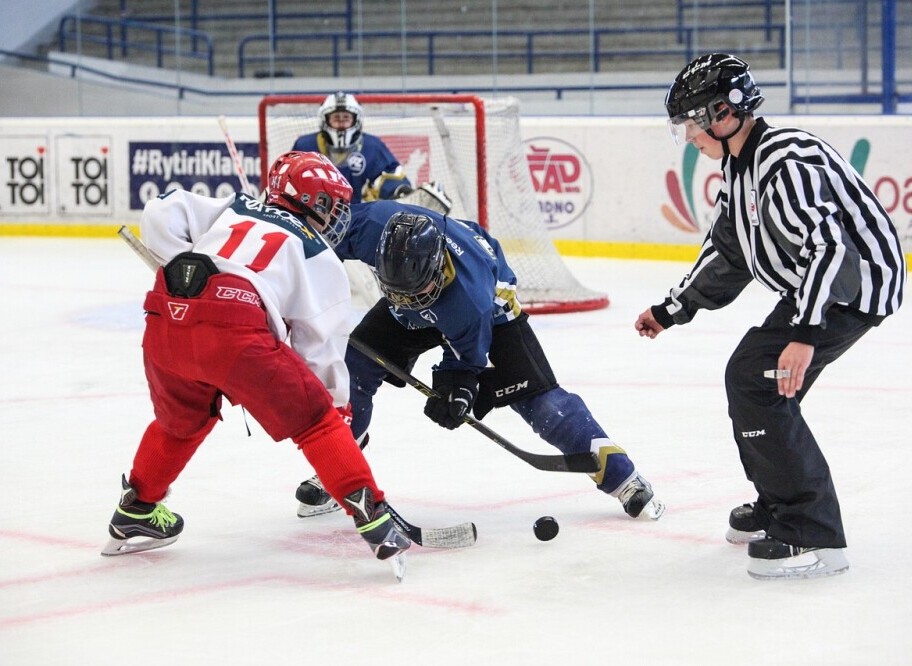
Fantasy NHL hockey in 2025 is the perfect blend of sports knowledge and strategy. Picture this: you get to draft your dream team of pro hockey players and then compete against other folks to see whose team racks up the most points. It’s like being a general manager without leaving your couch.
So, why is fantasy hockey drawing in so many fans? Well, it’s the excitement of team-building, the rush of competition, and the chance to flex some serious sports savvy. Plus, it’s a great way to engage with the NHL season on a whole new level. Trust me, once you try it, you’ll be hooked.
To play in a fantasy NHL league, you’ll need to grasp the basics. Each participant drafts a roster of real-world NHL players, who then earn you points based on their real-life performance. Goals, assists, saves, and other stats pile up points for your team – kind of a cool way to get more invested in games!
Most fantasy leagues have their own rules and structure. Each league has a commissioner who sets the rules, often related to drafts, player trades, and match scoring. It might seem a bit overwhelming at first, but once you get the hang of it, navigating through becomes second nature.
How Fantasy Hockey Works: A Step-by-Step Guide
Building your fantasy hockey team starts with the draft, the heart of the whole game. This is your shot to pick the best lineup of players you can muster. You’ll want to look at players’ past performances, potential for improvement, and their role on their actual NHL team. You can aim for star players, or even risk it on a few under-the-radar picks that might surprise everyone.
Scoring in fantasy hockey can vary depending on your league’s setup. There’s the points-based system, which simplifies everything down to a tally of points earned through goals, assists, and saves.
Or you might find yourself in a category league where you’re gunning to win specific stats categories each week. Whichever you’re in, knowing the scoring system is crucial to drafting and managing your team.
Once the draft is a wrap, managing your roster is the ongoing challenge. This involves deciding who to start or bench on game days and navigating the waiver wire to snatch up emerging talent or replace underperforming players. Trades can be a game-changer or a disaster, so careful negotiation and analysis are key.
It’s important to stay flexible and proactive. The NHL season is long, and injuries or slumps are a part of the game. Having a backup plan is just as important as your initial draft strategy. Being on the lookout for new opportunities and moving quickly can often be the difference between winning and losing.

Why 2025 is a Great Season for Fantasy Hockey
The offensive output across the league remains high, with several players projecting 100+ point seasons.
Defensemen are more valuable than ever — not just for hits, blocks and defense, but for real scoring upside.
Variability and turnover — new line combinations, injuries, and rising rookies — means “sleepers” and undervalued players can carry leagues.
Because of that mix of elite performers and fluctuation, drafting wisely (not just chasing big names) is more important than ever.
Scoring Formats & What to Know
Most standard fantasy hockey leagues use some variation of these categories:
Skater stats: Goals, Assists, Points, Power-play points, Shots on goal, Hits, Blocks
Goalie stats (if goalies are included): Wins, Save percentage, Goals-against average, Shutouts
Some leagues emphasize “points-only” (i.e. total fantasy points), others use “categories” (each stat is a category to win weekly).
Your draft strategy should reflect your league format. For example, in categories leagues — where hits and blocks matter — defensemen with physical play AND offensive upside are more valuable than in pure “points-only” setups.
Top 2025 Fantasy Hockey Picks (Forwards + Defense + Goalie)
Based on the latest 2025–26 projections from major fantasy sources, here are the players most widely viewed as elite first-round (or very early) picks across standard leagues.
Rank (approx) Player (Position) Why They’re a Top Pick
1. Nathan MacKinnon (C, COL) Reigning Hart & Ted Lindsey winner; 116-point season (32G, 84A); big-time upside and all-around production.
2. Connor McDavid (C, EDM) Still among the league’s best — elite scoring, assists, and playmaking; high floor & ceiling.
3. Leon Draisaitl (C/F, EDM) Consistently elite output; tons of power-play and even-strength scoring.
4. Nikita Kucherov (RW, TBL) 121 points (37G, 84A) in 2024–25; back-to-back Art Ross winner; tremendous upside.
5. Cale Makar (D, COL) As a defenseman, enormous value — elite scoring, power play usage, shots, and rarely seen point totals for a D.
6. Kirill Kaprizov (LW, MIN) High-end scoring winger; big upside if healthy and getting good linemates.
7. David Pastrnak (RW, BOS) Consistent elite scorer with strong shooting volume — great balance of risk and reward.
8. Mikko Rantanen (RW, DAL) Solid all-around production and power-play usage; often undervalued relative to pure snipers.
9. Auston Matthews (C, TOR) Elite shot volume and scoring upside — though sometimes injury or consistency concerns affect value.
10. Kyle Connor (LW, WPG) Reliable scoring and shooting volume; a good mid-round target with steady production.
Goalie Option Connor Hellebuyck (G, WPG) Often ranked among overall top-10 picks when including goalies — valuable for wins, save %, and consistency.
Note: Rankings fluctuate based on your league’s roster slots and scoring settings (e.g. how much value you place on hits/blocks, power-play points, goalie categories, etc.).
Fantasy Sleepers & Value Picks (Undervalued or High-Upside)
Beyond the top tier, every good fantasy draft includes a few sleepers — players who might be undervalued or poised to breakout.
🔹 Forwards to Target as Sleepers / Value Picks:
Rickard Rakell (F, PIT) — Posted a career-high 35 goals and 70 points last season; high-danger shot and goal metrics make him an undervalued asset.
Brock Nelson (F, COL) — On second line now, with power-play exposure and potential to regain 30-goal form; could outperform typical ADP.
Steven Stamkos (F, NSH) — Despite a down year, he’s shown consistency over many seasons and had a strong finish; could bounce back and represent a steal if drafted late.
🔹 Defensemen / Blueline Sleepers & Value Picks:
Cam Fowler (D, STL) — Took off after joining St. Louis last season, racking up 36 points in 51 games. With full season and increased PP time, could easily hit 45+ points.
Moritz Seider (D, DET) — Emerging young defenseman with steady production and upside in points + power-play value — breakout candidate if Detroit improves.
Shayne Gostisbehere (D, CAR) — In many leagues, undervalued — but excels on power play and racks up assists & special teams points; could be a sleeper steal.
Sports Coverage Worldwide
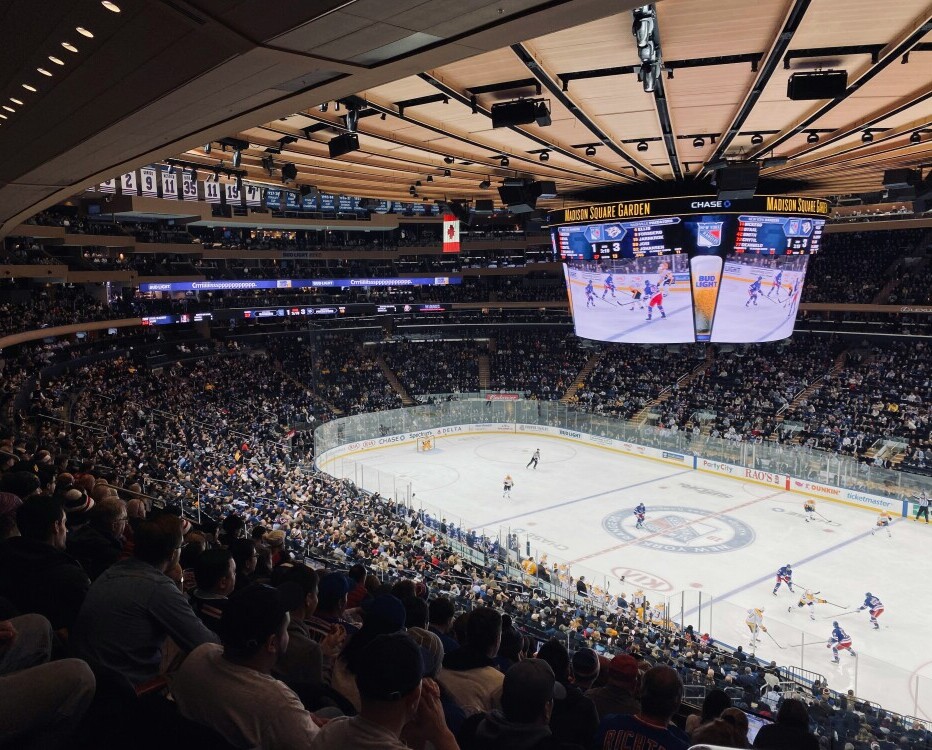
Strategy: How to Draft a Balanced Fantasy Team in 2025–26
Here’s a general blueprint depending on your draft position and league settings:
Round 1–2 (Early Picks): Grab at least one of the elite forwards (e.g. MacKinnon, McDavid, Draisaitl, Kucherov). If your league values defense highly, don’t hesitate to take Makar early — elite D with offense is rare.
Rounds 3–5: Use this time to build depth — pick high-floor forwards (e.g. Pastrnak, Rantanen, Kaprizov) or secure a top defenseman if you haven’t already.
Mid Rounds: Target sleepers/value picks — forwards like Rakell, Nelson, Stamkos; defensemen like Fowler, Seider, Gostisbehere.
Late Rounds / Sleeper Slots: Grab high-upside players, breakout candidates, or lottery tickets (you never know who might pop off).
Don’t ignore hits/blocks if your league counts them: That means power-play defensemen or physical two-way defensemen become significantly more valuable — not just purely offensive stars.
Goalies: Unless you’re in a goalie-light league, don’t overreach early; consider a mid-round goalie value pick.
Common Mistakes to Avoid
Drafting purely by reputation / “name value” — many veterans will see regression, and league scoring changes rapidly.
Ignoring league settings: a “points-only” league values volume scoring and shots, while categories leagues reward hits, blocks, and balanced stats.
Overfocusing on offense — a well-rounded team (balanced forwards + offensive defense + good peripheral stats) will outperform a team stacked with only goal-scorers.
Waiting too long on defense — elite defensemen like Makar or even cheap sleepers like Fowler can become scarce, and their value in a balanced league is often underappreciated until it’s too late.
Sample 12-Man Roster (Balanced Build)
Here’s what a balanced 12-man fantasy roster could look like based on a “categories + points + peripheral stats” league, using the players above:
Position Player
C Nathan MacKinnon
C Brock Nelson (sleeper)
LW Kirill Kaprizov
RW Nikita Kucherov
RW David Pastrnak
Utility / F Rickard Rakell (sleeper)
D Cale Makar
D Cam Fowler (sleeper)
D Moritz Seider (sleeper)
D Shayne Gostisbehere (sleeper)
G (mid-value goalie per your league)
Bench / Utility Steven Stamkos (sleeper)
This roster mixes elite scoring, balanced depth, power-play potential, and sleeper/value picks that can outperform their draft cost.
Exploring Different Leagues and Settings in Fantasy Hockey
Choosing your fantasy hockey league requires knowing the format that suits your style. Standard leagues are great for beginners, offering a straightforward, no-fuss setup. Custom leagues, on the other hand, allow for tailor-made settings, keeping things fresh and exciting for experienced players.
Head-to-head leagues give you that intense, weekly one-on-one matchup, reminiscent of real-world sports rivalries. It’s all about winning each week and stacking up victories. Rotisserie leagues take a different spin, focusing on ranking your team across multiple categories throughout the season. Steady performance really pays off here.
How your league is set up can make or break your strategy. Roster configurations might dictate how many players you can draft for each position. Some leagues allow for more intricate setups with IR (Injured Reserve) spots that can keep your team afloat amidst injuries.
Bench players are another factor. Having a deep bench means more flexibility when juggling underperforming stars or resting players during busy schedules. Each tweak in league settings can influence your draft and season management, so knowing the ins and outs helps in crafting a winning strategy.
There’s an art to picking the right league and settings based on what kind of manager you are. Love weekly excitement? Go head-to-head. Prefer the long game? Rotisserie is your match. Each choice will craft your fantasy experience, so choose one that’s going to keep you engaged and having fun.
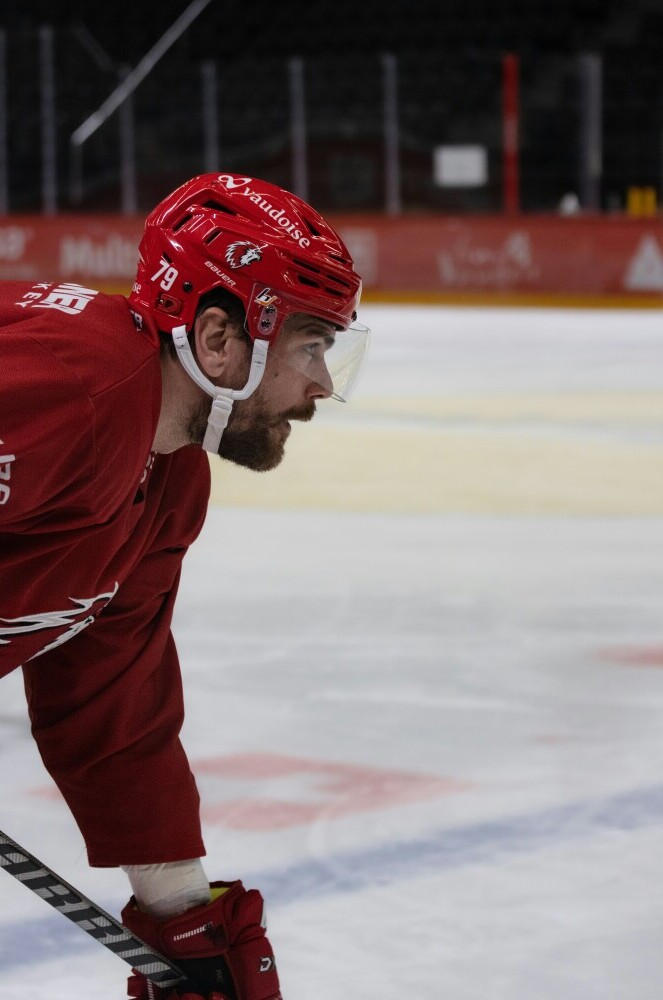
Spotlight on the Best Players by Position
Draft time can be overwhelming with all the talent on the table, but having a handle on the top players for each position can make the decision-making a bit smoother. Focusing on key players can give your team a solid foundation.
Up front, look for forwards who are scoring machines. Players who consistently get points for goals and assists are your bread and butter. Don’t miss out on those top-line guys who get the most ice time; they’re often in on every key play.
Defensive players offer more than just blocking shots. You’re on the hunt for defensemen who rack up assists, maybe even goals, while also contributing to team stats like plus-minus or power play points. Think of them as your secret weapons in the lineup.
Between the pipes stands your goaltender, crucial for those weekly matchups. Find a reliable goalie who’s known for high save percentages and regular game time. Personally, I like to keep an eye on teams with solid defenses, as it often translates to less risky situations for their goalies.
Don’t forget the sleepers and breakouts. These are the players who might fly under the radar at first but have the potential for standout seasons. Sometimes, finding these gems can turn the tide in your favor, especially if one of them unexpectedly becomes the season’s hottest player.
Expert Recommendations for Fantasy NHL 2025
Succeeding in fantasy NHL 2025 requires a mix of strategy, research, and sometimes a gut feeling. Drafting is half the battle, and a well-thought-out plan can make all the difference. Start by balancing your picks between safe bets and high-risk, high-reward players who might just break out this season.
I always emphasize flexibility. A rigid approach to your draft or weekly lineup could leave you struggling when unexpected injuries or performance drops hit. You need to pivot quickly, grabbing the right player off the waiver wire or making smart trades. Move like a chess player, always thinking a few steps ahead.
Statistics are crucial, but don’t let them dictate every move. Pay attention to on-ice chemistry and how players fit into their team’s strategies. That second-line winger might become a star if they find the right linemates.
Managing risk means avoiding common mistakes that can sink your team. Steer clear of overinvesting in one category or overvaluing players based on name recognition alone. Stick with players who consistently perform instead of clinging to one-hit wonders from last year.
Keeping up with player news and analysis is essential. Utilize apps and websites that track player stats and trends. A well-informed manager is always one step ahead in making impactful decisions. Equip yourself with the right tools so you can keep adapting and improving your lineup throughout the season.
Final Thoughts
Fantasy hockey 2025–26 is shaping up to be an exciting season. The combination of elite forwards, rising defensemen, and undervalued sleepers gives savvy managers a real chance to build dominant teams — especially if they balance offense, defense, and peripheral stats rather than just chasing goals.
Your best strategy is to draft smart, pay attention to league settings, prioritize balance, and take calculated risks on high-upside players. If you build your squad with a mix of locked-in stars and undervalued sleepers, you’ll be in great shape for a strong season.
Ultimately, 2025’s fantasy hockey is about the thrill of the game and that camaraderie. You can connect with other fans, talk strategy, and, of course, boast about your top-notch managerial skills. Whether you’re in it for the fun, the bragging rights, or both, fantasy hockey offers a dynamic and engaging way to experience the NHL.