

Welcome back all you hockey addicts! The hockey viking is back at it once again, with updated NHL power rankings for the month of January. It’s been a wild first half of the season, and there’s been a few changes since we began this journey in October. I would be lying if I said that I haven’t been a bit humbled by the current NHL standings and how the season has played out so far.
I’ve had a few misses from my NHL preseason rankings, but viking are humans, too…aren’t they?!? There have been some predictable results, but there has also been a number of surprises already this season that I don’t think many people could have predicted, so give this guy a break, huh?
The standings have been so tight this year that it seems most team still have a chance midway through the season to turn things around and make a run at the playoffs. Any winning or losing streak can catapult or plunge any of these teams, and we’re coming to a point where each point earned or not earned will start to matter. Mistakes must be avoided as any points lost could make the difference between playoffs or vacation.
As we’re now in mid-January and halfway through the season, the NHL season hits the part that separates “pretty good” from “actually dangerous.” The standings start to harden, the schedule gets meaner, games get more important each day, and every fan base develops a new hobby: doing playoff math like it’s a second job.
This NHL Power Rankings (January 2026) edition is built to be useful: it’s based on the current 2025–26 standings snapshot (points, goal differential, recent form) and then translated into what matters most right now—who’s trending toward the playoffs, who’s in the mushy middle, and what each team has to fix to get in.
This season has been nothing short of thrilling. From last-minute goals to unexpected upsets, it’s full of twists and turns, setting the perfect stage for these power rankings. So, lace up your skates, because this ranking is going to take us through the best and the brights, the surprises and the struggles, crafting a picture of the NHL right now.
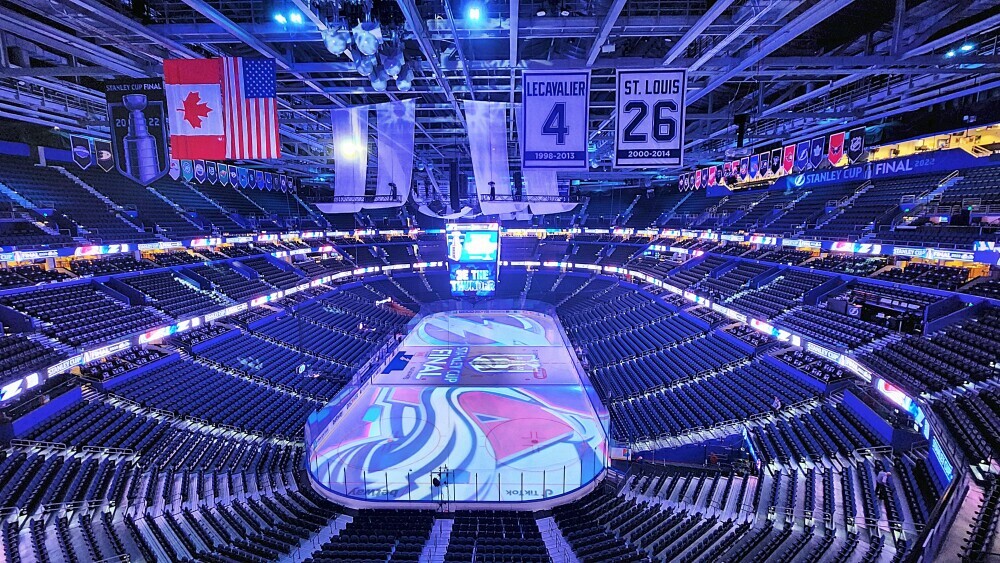
NHL Power Rankings (January 2026): 32 to 1 (Worst to Best)
Below: all 32 teams, ranked from worst (32) to best (1), with a few paragraphs on where they are and what they need to do to make the playoffs.
32) Vancouver Canucks
What a mess. It seems like a long time ago now that the Canucks were a real threat in the West. After all the drama last season, Vancouver puts out a total dud of a performance this year. This team is a mere shadow of their former selves, and this season is looking more and more like a total bust with every passing game.
Once the Canucks traded Quinn Hughes to the Minnesota Wild, it felt as if Vancouver was throwing in the towel for the season. They sit at the bottom of the entire league in points, and things only look to get worse. This team needs to hit the reset button and forget this season. Maybe the NHL will let them sit the rest of the season out?
Vancouver sits at the bottom of this standings-based ranking and the recent form makes it worse: a brutal slide in the last 10 has turned a tough season into an uphill sprint. When you’re losing ground daily, you don’t just need “a win”—you need a week where the hockey looks sustainable.
To make the playoffs, the Canucks need to manufacture a two-part turnaround: stabilize the goals against (even if it means ugly, low-event games) and find a way to steal points against direct wild card competitors. The math is harsh in January—so their best path is stringing together streaks and forcing the bubble to feel pressure.
If you’re looking for a realistic “how do they get in?” answer: it starts with goaltending consistency, cleaner defensive exits, and special teams that stop giving away games they could grind into overtime.
31) St. Louis Blues
This or Winnipeg might be the biggest dropoff from the preseason rankings. After finishing last season on a high with a playoff appearance and being so close to knocking the number one seeded Winnipeg Jets, the Blues came apart at the seams and are sitting near the bottom of the conference.
It’s tough to pinpoint exactly what went wrong this season, but the injury to Robert Thomas certainly doesn’t seem like it helped. The good news is that there is enough time left in the season for the Blues to turn it around. They still have a shot at making the playoffs, but they need to start winning games fast.
St. Louis is stuck in that dangerous zone where you’re not completely out of it—but you can’t afford any more dead stretches. The goal differential is a neon warning sign: they’ve been chasing games too often, and chasing games turns into chasing the season.
To make the playoffs, the Blues need to become a points-collection machine: win the games they’re supposed to win, and drag the rest into overtime. In January, “getting one point” matters more than pride. They also need their best players to tilt the ice consistently—because bubble teams can’t survive long stretches where top lines look ordinary.
The simplest formula: tighten the neutral zone, reduce odd-man rushes, and get the power play to do actual damage. You don’t need perfection—just fewer self-inflicted losses.
30) Winnipeg Jets
The only team that might have had a bigger dropoff than the Blues is Winnipeg. What a fall from grace, as last season seems like a distant memory. I’m not exactly sure why this team is so much worse than last years’ team, but the difference is night and day.
The Jets seemed dominant last year, with a very impressive defense and goaltending that got them to win the entire league until they got exposed in the playoffs. This Jets team is a far cry from last year’s team, and they have put themselves in a hole that might be hard to crawl out of.
Winnipeg isn’t at the very bottom, but they’re still in the “if you blink, it’s over” tier. They have enough talent to jump a few teams quickly, but the season profile says they’ve been inconsistent—good nights followed by disappearing acts.
To make the playoffs, the Jets need to find a repeatable identity: are they a heavy forecheck team, a rush team, or a defensive counterpunch team? January is where identity becomes survival. They also need to win more of the “four-point” games—head-to-head against teams they’re chasing.
The path is there, but it requires a real run. One hot week won’t do it. They need a month where they look like a playoff team and play like they hate giving away points.
29) Chicago Blackhawks
The Blackhawks are right about where I thought they would be, towards the bottom of the conference. They are in the midst of a rebuild, so nobody is expecting much of anything out of this team. This team has some good players, but they just haven’t won the games they needed to. They are a long shot to make the playoffs, especially being in such a tough division.
Chicago’s season reads like a rebuild season that occasionally flashes “future problem for the league.” That’s fine long-term, but January doesn’t care about your long-term plan—it cares about points.
To make the playoffs (in a true long-shot scenario), the Blackhawks would need a dramatic surge driven by elite offense and improved defensive structure. But realistically, the “playoff push” goal becomes building habits: better special teams, better late-game management, and fewer breakdowns that turn close games into losses.
What Chicago needs most is consistency from its young core and a reliable backbone game—because high-event hockey is fun until it becomes a nightly coin flip. The best “win” here might be developing into the kind of team nobody wants to play by March.
28) Calgary Flames
The Flames weren’t that far out of a playoff game spot last year, so I had them ranked a bit higher in the preseason. But they have just not had a great first half of the season, and it shows by their place in the standings. Technically there’s still time left in the season, but it feels like it would be hard to imagine this team getting into the playoffs with so many other better teams in the West.
Calgary sits in the lower tier of the West, and the math gets heavy around this time of year. The Flames have enough bite to upset anyone, but living in the middle of the standings is a trap: you need to either climb hard or commit to the future.
To make the playoffs, Calgary has to turn home games into a fortress and find a reliable way to generate offense when Plan A gets shut down. That means: better net-front presence, more second-chance goals, and fewer nights where they “played fine” but didn’t score.
If they’re serious about chasing a wild card, the next step is simple: stop the bleeding against bubble rivals and start banking overtime points. January playoff races are won by teams who treat every point like rent money.
27) San Jose Sharks
The Sharks are in a pretty good spot halfway through the season, all things considered. They are smack dab in the middle of the division, and have shown improvement from their bottom of the barrel performance last season. This team is very much in the mix for the playoffs, can they sustain their momentum? Or will they crumble?
San Jose is in a spot where improvement is visible, but the standings are still unforgiving. When goal differential is fighting you, you need either a dominant top line that can outscore mistakes—or a defensive system that erases them.
To make the playoffs, the Sharks would need a legitimate heater and a bunch of help. More realistically, the goal is to turn “competitive losses” into “competitive wins” and build a profile that’s harder to play against.
They need improved special teams and cleaner play in front of their own net. If you can’t win the slot, you can’t win the standings. The foundation matters—because the teams that jump next season are the teams that learn how to win ugly first.

26) New York Rangers
New York finds themselves in a precarious position, and should be careful not to lose any more points. One good thing is that the East is only separated by a few points. One bad thing is that New York finds themselves behind in points and would easily fall out of contention with a few losses.
The Rangers are in a strange spot: the points are not catastrophic, but the goal differential profile suggests they’ve been fighting the puck too often. That’s not a death sentence, but it does mean they need a cleaner brand of hockey down the stretch.
To make the playoffs, New York needs to stabilize the defensive zone and get more consistent scoring beyond the obvious moments. They also need to treat every divisional game like a playoff game—because those are the games that decide wild cards.
If they get hot, they can climb fast. But in January, hope needs a system. Fix the details, stop giving up backbreaking goals, and the standings will start moving.
25) Seattle Kraken
Well Seattle is certainly performing better this season than I predicted, and they sit right in the middle of the division standings halfway through the season. But I can’t tell if that’s because the Kraken are decent, or the fact that the Pacific Division is just all over the place. I’m going to go with the latter, as I don’t think Seattle is that good.
Seattle is in the mushy middle of the Pacific pack—close enough to dream, far enough to panic. Their goal differential suggests there’s work to do, and negative differential teams usually need to overachieve in one area (special teams or goaltending) to climb.
To make the playoffs, the Kraken need to string together wins in regulation and protect leads better. You can’t keep going to overtime as a lifestyle unless you’re also winning those extra points.
Their path: raise their offensive efficiency, tighten their defensive zone exits, and make the first 10 minutes of games matter. Bubble teams that start slow end up playing “must-win” hockey by February.
24) Los Angeles Kings
After producing a solid season down the stretch last year, the Kings seem to have taken a step backwards. They haven’t risen in the standings like I projected, but they are only a few points away from being a top 3 team in the division. For as much as they seem to have disappointed, LA has plenty of time to right the ship and contend in the playoffs.
The Kings are hovering around the bubble line in spirit, even if the points total keeps them within shouting distance. The problem is that the Pacific has teams above them that are collecting points more efficiently.
To make the playoffs, LA needs to become more consistent at generating quality chances and stop giving away goals that swing momentum. They have the defensive DNA to play playoff hockey—but the standings say they need more “two-goal nights” and fewer “one-goal nights.”
If they’re going to climb, it starts with special teams and finishing. January rewards teams that don’t just carry play—they cash it.
23) Ottawa Senators
The Senators have been one of the hardest teams to figure out this year. I had them ranked higher earlier, as I thought that they were one of the best teams in the conference. But they have been so inconsistent that it’s hard to know where exactly they stand.
Ottawa’s points total keeps them relevant, but their overall profile says they need more consistency. The Senators can look explosive one night and leaky the next, and you can’t do that if you want a wild card spot in a tight conference.
To make the playoffs, Ottawa needs to tighten defensive structure and be more reliable in close games. They also need to maximize home ice—because bubble races often come down to who banks points at home.
If they clean up the details, the talent is good enough to climb. But January isn’t forgiving. The next 10 games can decide the entire narrative.
22) Florida Panthers
The Panthers could really use some of their players back if they want to be taken seriously. They have had an insane amount of injuries this season, so I can forgive them for having a dropoff from the top of the standings. But will they be able to hang on long enough to be a threat in the playoffs?
To make the playoffs, Florida needs to stabilize the defensive side and become more consistent night-to-night. They’ve got enough bite to win playoff-style games, but they need to stop giving away easy goals that force them into comeback mode.
If they tighten their five-on-five play and get special teams humming, they’re a team nobody wants to see in a first-round matchup.

21) Columbus Blue Jackets
Columbus is still in the hunt in the East, but their negative goal differential says they’ve been living dangerously. The good news: teams can improve quickly when their issue is process rather than talent. The bad news: you don’t get much time to learn in January.
To make the playoffs, Columbus needs to tighten their defensive details and stop trading chances. That means fewer rush chances against and more discipline in the neutral zone. If they can stay close in games, they can collect points.
Their best path is playing “hard to play against” hockey and dragging teams into uncomfortable games. That’s how bubble teams steal playoff spots.
20) Nashville Predators
The Predators are right in the thick of it, and currently sit in a potential playoff position. They seem to have cleaned the stench off of last season a little bit, and sit in the middle of the division. This team is a long ways away from a finished product, but they are certainly rising in this vikings’ rankings.
Nashville lives on the edge of the “still alive” tier. Their record suggests they can hang around, but hanging around isn’t enough. January is where you decide if you’re a buyer of points or a donor of points.
To make the playoffs, the Predators need a more consistent offensive identity and a stronger finishing touch. They also need to make games simpler: limit high-danger chances against and force opponents to work for everything.
Nashville is in a strange spot. They have improved from the previous rankings and sit in the middle of the conference. But they don’t belong in the same conversation as any of the good teams in the West. Can they stay afloat in the conference? I predict a falling off in the standings, but they have done well to still be in the thick of things.
The first step is defensive consistency. The second is a power play that changes the math. If you’re not elite at 5v5, you must win special teams minutes.
19) Anaheim Ducks
The Ducks have been a happy surprise in the league and have surpassed expectations for the season already. They had a hot start to the season, even sitting at the top of the division for a brief moment, but now find themselves cooling off.
This Ducks team was probably never going to sustain their early momentum, but they still are alive and well in the hunt for the postseason. This team is starting to come back down to earth, but the big question will be: can they stay relevant long enough to sneak into the playoffs?
Anaheim is one of the more interesting “middle” teams: the record says they’re competitive, and that alone makes them relevant in January. They’re not in the elite tier, but they’re not out of it—and that’s the most dangerous place to be, because it’s tempting to drift.
To make the playoffs, the Ducks have to win the games against teams below them and steal some against the heavyweights. Their path is youth-driven energy with enough structure to avoid collapses.
If they can tighten team defense and keep their goaltending steady, they can play meaningful games late in the year. That’s the immediate goal: stay close enough that March hockey feels like a chase, not a funeral.
18) Washington Capitals
Washington has fallen in the rankings, and it’s due to almost the same reasons as the other teams sitting in the middle of the East: consistency. They have a talented roster, but they haven’t been able to put win streaks together to separate themselves from the other teams in the conference.
Washington is hovering around the bubble line with a respectable goal differential, which suggests they’re better than their “stress level” might imply. That’s a good sign: teams with positive differential tend to find points if they tighten the process.
To make the playoffs, the Caps need consistency in their 5v5 game and a special teams edge. They also need to win more of the one-goal games—because bubble teams live and die there.
The blueprint is simple: defend the middle, keep games close, and let experience do the rest. January isn’t about style points—it’s about surviving the schedule.
17) New Jersey Devils
One of the bigger disappointments of the season, the Devils have dropped in the rankings even further. What once seemed like a promising team after making the playoffs last season, has turned into a nervous one.
They need to get on a hot streak to avoid the bottom of the conference. Their star players make them capable of doing this, so it will be interesting to see if they can stack some wins.
New Jersey’s numbers tell a blunt story: the points are within reach, but the goal differential suggests they’ve been giving up too much. That’s the kind of profile that forces you to win games 5–4 instead of 3–2, and that’s exhausting over a full season.
To make the playoffs, the Devils need to tighten team defense and clean up special teams leaks. If they do that, the talent can carry them through the bubble race. If they don’t, they’ll keep having “almost” nights.
January is where you decide whether “skill” turns into “winning.” Structure first, creativity second.

16) Utah Mammoth
Utah has done a good job of hanging around. They are in the middle of the conference, and have given themselves a chance to be in the playoff picture. But this team hasn’t been consistent, and consistency is one thing that teams are going to need in the second half of the season to remain in the race.
Utah’s season is the definition of “still time.” They’re right in that zone where a 7–3 stretch flips your narrative, and a 3–7 stretch buries you. That volatility is what makes January so brutal.
To make the playoffs, Utah needs a consistent identity and a clean defensive game. The goal differential suggests they’re capable of playing competitive hockey, but they need to cut the high-danger mistakes that swing close games.
Their path is banking points in the division and taking advantage of schedule pockets. If you’re a bubble team, you can’t waste “soft” weeks. Those are your lifeline.
15) Philadelphia Flyers
The Flyers have stepped it up and are in a solid position midway through the season. They have moved up in the rankings into the middle of the pack. I still don’t have much confidence in this team, and I can see a few losing streaks pushing them out of playoff contention amidst all the other middling teams in the East.
Philly is in classic “grind it out” territory. The points put them in the race, but the goal differential suggests they need to win with structure. That’s not a bad thing—structure travels, especially in the second half.
To make the playoffs, the Flyers need to keep their defensive buy-in and improve finishing. You can’t rely on “one goal might be enough” every night, because eventually it isn’t. They also need their special teams to be a net positive.
If they maintain their identity and pick up a few statement wins, they can absolutely stay in the mix. The East is crowded—so the mission is avoiding long losing streaks.
14) New York Islanders
The Islanders have carved out a competitive place in the Eastern Conference. They’re sitting around a 27-18-5 record, which puts them in the mix in the Metropolitan Division with around 59 points through about 50 games played. Their goal differential is slightly positive, and they’ve been fairly balanced at home and on the road.
New York is in a good spot halfway through the season, but they have been in this spot before. This team needs to keep a fire in their bellies in order to avoid another late season let down.
They are currently in a playoff spot, but with how tight the Eastern Conference is, a few losing streaks could put them in a precarious position.
13) Boston Bruins
Boston remains in the “you can’t count them out” category. The record and goal differential show a team that knows how to win games, even when they’re not perfect. That’s a classic playoff trait. They have scraped themselves out of the bottom of the East to get into position for a potential playoff spot.
To make the playoffs, the Bruins need to keep stacking points against divisional opponents and avoid the skid weeks. Their path is defensive structure, smart puck management, and making the power play matter in tight games.
If Boston stays healthy and keeps defending well, they’ll hang around. The Atlantic is stacked, so the key is not falling into the wild card dogfight.
12) Buffalo Sabres
The Sabres have been one of the better stories of the NHL so far. They have climbed the rankings and have performed better than most would expect. But everything is going to come down to the wire with the tight standings.
Buffalo is one of the more intriguing teams in this snapshot. The points and goal differential suggest a team that can play with anybody, and that’s usually the sign of a group ready to take a step. Will they take that step right into the postseason?
To make the playoffs, the Sabres need to avoid the long losing streaks that erase a month of work. They also need to keep special teams steady and continue winning the “must have” games against bubble rivals.
If Buffalo stays disciplined and keeps their defensive game from drifting, they’re in great position to make meaningful noise down the stretch.
11) Toronto Maple Leafs
Toronto is in solid shape in the standings, but their goal differential is modest relative to some of the top teams. That can mean two things: either they’ve been unlucky, or they’ve been winning without dominating. They are a solid team, but are they any better than they were last year?
To make the playoffs (and they’re positioned to), the Leafs need to sharpen the details that matter in postseason hockey: defensive zone coverage, net-front battles, and late-game management. In the regular season, talent saves you. In the playoffs, details expose you.
If Toronto gets consistent goaltending and improves their five-on-five dominance, they can move from “playoff team” to “true contender.”

10) Edmonton Oilers
Out West, the Oilers also have a solid but not dominant season so far. Edmonton’s record stands at approximately 25-18-8, giving them about 58 points and placing them near the top of the Pacific Division (just behind the Vegas Golden Knights).
Edmonton has proven that they don’t need to be a number one seed to be dangerous in the postseason. They haven’t always looked like the best team in the league this season, but come playoffs that might not matter all that much.
The Oilers just need to hang around in playoff position, and they have the talent to be a dangerous team when it matters most.
9) Montreal Canadiens
The Canadiens have been one of the more exciting teams to watch this season, with big time playmakers and high scoring performances. They have established themselves as a playoff caliber team, and it will be interesting to see if they can get hot and make a push for the division, or if they fall into a playoff bubble.
But so far, montreal’s record is solid and their points percentage profile looks legitimately competitive. They’re not just hanging around; they’re winning enough to matter. They have gotten enough points to position themselves towards the top of the East, but can they keep it up?
To make the playoffs, Montreal needs to keep their five-on-five game reliable and avoid giving away “soft” points. The East punishes sloppiness. They also need to keep converting on special teams, because those moments swing tight divisional games.
If they maintain this pace, the Canadiens don’t just have a shot—they have a clear path. The key is surviving the inevitable cold week without falling into panic hockey.
8) Pittsburgh Penguins
What a nice surprise that Pittsburgh has decided to compete for a playoff spot, rather than for the best position for the draft. The penguins have had a surprisingly solid first half of the season, sitting third in the division. But with the East being so tight this year, it feels like Pittsburgh is on a slippery slope.
A few losing streaks in the second half of the season could drop them out of playoff contention, but for now they have performed well with what they have.
Pittsburgh is one of the most volatile teams in this range: the points are strong, and the goal differential is positive, but the overtime losses show they’ve played a lot of close games. Close games are fine—until they stop breaking your way.
To make the playoffs, the Penguins need to turn some of those extra-time games into regulation wins and protect leads better. They also need their depth to keep producing, because you can’t grind a full season on top-end brilliance alone.
If they do that, they’re a legitimate playoff team. And if they get hot at the right time, nobody will enjoy drawing them.
7) Vegas Golden Knights
Vegas has been good so far this season, but not great. They are in a good spot in the standings, sitting at the top of their division alongside the Oilers, so you could argue that they are in the upper echelon of the league. But I can’t help but feel a little disappointed in their performance, so I have dropped them a bit from previous rankings.
The golden knights are a quality team with a very balanced roster, but they seem to be a bit inconsistent this season. At times they look like a strong contender, and then they have had games that leave me scratching my head. Basically, this is a good team and should likely make the playoffs. But are they good enough to beat other playoff caliber teams in the West?
Vegas sits in the upper-middle tier: strong points total, decent differential, and the kind of structure that tends to travel. They might not be the “best record” team in the West, but they look like a team built for the part of the year where games get tighter.
To make the playoffs, Vegas needs to keep collecting regulation wins and stay consistent against teams below them. Their style often plays well in the postseason, but January is about avoiding the trap weeks where effort dips.
If the Golden Knights stay healthy and keep rolling four lines effectively, they’re not just playoff-bound—they’re a threat.
6) Detroit Red Wings
One of the bigger surprises this season, Detroit has had a tremendous start. I had Detroit towards the bottom of the East in my preseason rankings, so they have certainly exceeded my expectations. They had a hot start to the season, but are starting to cool off a bit.
Detroit is having a strong season by the standings, and the record suggests they’re doing a lot right. The goal differential isn’t massive, but it’s positive—and positive plus points is a good place to live in January.
To make the playoffs, Detroit needs to keep their offense consistent and avoid defensive lapses that turn wins into overtime coin flips. In a stacked Atlantic, the difference between third place and a wild card brawl can be a handful of games.
If Detroit keeps banking points and stays composed in tight games, they’re in a great position to get in—and possibly get a favorable matchup.
5) Minnesota Wild
The Wild made what might be the biggest acquisition of the entire season in getting Quinn Hughes, and I think they are making a statement that they are serious about contending this year. They look like a really good team and have been on a tear as of late.
I have been watching this Wild team often lately, and they have pulled things together. If their goaltending can stay strong, they may just be one of the scariest teams in the league. This roster is talented, and the addition of Hughes may prove huge, especially come playoff time.
Minnesota is in the top tier of the Central chase, with strong points and a healthy goal differential. They look like a team that knows how to win and can win different styles of games.
To make the playoffs, the Wild need to keep their defensive structure and avoid any long slide. Their job now is simple: keep pace with the Central heavyweights and make sure they’re not the team that gets dragged into the wild card mess.
If they keep playing this brand of hockey, they’re not just a playoff team—they’re a team that can ruin someone’s season.

4) Dallas Stars
Dallas has had a great season so far by anybody’s standards. But they are sitting in the shadow of Colorado’s impressive showing, so they haven’t been given the credit they deserve. No doubt they are one of the best teams in the league with a talented and balanced roster.
But the obvious question stands out; how are they going to beat Colorado this year? They have knocked the Avs out of the playoffs the past two years, so you would think they certainly have the capability. But will they be able to knock out(again) a Colorado team that seems like a team of destiny?
Dallas is sitting with elite-level points in the Central and a goal differential that suggests the results are real. They’ve built a profile of a strong team: consistent, hard to play against, and capable of controlling games.
To make the playoffs, Dallas mainly needs to keep doing what they’re doing—avoid injuries, avoid the sloppy weeks, and keep collecting regulation wins. Their biggest “improvement” area is polishing the details so they’re peaking at the right time.
Dallas looks like a team that doesn’t need luck to win. They have one of the most balanced and talented rosters in the league. That’s the best compliment you can give in January.
3) Carolina Hurricanes
Carolina has stayed pretty consistent, and they are sitting at the top of their division, as I thought they might. The hurricanes are a good team and should be a solid pick to make the playoffs. But where do they stand against other elite teams in the league? That still remains to be seen.
Carolina is exactly where you’d expect a contender to be: strong points, strong goal differential, and a recent form line that screams “real.” They check all the boxes of a playoff team, but will they continue to stay at the top and keep other teams in the conference off of their heels?
To make the playoffs, the Hurricanes simply need to maintain their level. The bigger story is seeding: where do they land, and can they set themselves up for a path that avoids the nastiest first-round matchup?
Carolina’s system is built for spring hockey. If they keep rolling and stay healthy, they’re not chasing a playoff spot—they’re chasing home ice and a deep run.
2) Tampa Bay Lightning
Tampa has moved up in the rankings, and rightly so. They have found their momentum and now sit atop the Eastern Conference. The East is really tight this year, and the Lightning are nowhere near as sure of a deal as Colorado, but right now they are at the top of the East and looking down.
Tampa Bay has one of the best “this is a contender” profiles in the league: elite points, star playmakers, experienced team and coaching, and a huge positive goal differential, and an outstanding last-10 stretch.
To make the playoffs, Tampa doesn’t need a reinvention—they need to avoid complacency and keep stacking points in the Atlantic arms race. Their focus is positioning: can they secure the best possible matchup and keep their game sharp?
When Tampa’s rolling, they can beat teams in multiple ways. They have become the team to beat in the East, with only maybe a few teams that can challenge them. January form doesn’t guarantee spring success—but it’s a strong indicator that they’re locked in.
1) Colorado Avalanche
Well I don’t think there should be any surprise at this ranking. Colorado has been the best team so far this season, and it’s not even close. Let me make an official apology to the Avs. I have been completely adamant that it was foolish to let Rantanen go and that they would struggle with him gone, and they have been more than fine without him.
To think that they only just recently lost their first game at home is ridiculous, and the Avalanche hold the keys and sit in the driver’s seat of the car that is the NHL.
Colorado sits alone at the top of the standings snapshot in this post, and the numbers are absurd: elite points total, monstrous goal differential, and a record that looks like it came from a video game.
To make the playoffs, the Avalanche just need to keep breathing. The real mission is staying healthy and staying hungry—because when you’re this dominant, every opponent treats you like their Stanley Cup Final.
Colorado’s biggest “what they need to do” is actually about details: manage minutes, keep special teams sharp, and build playoff habits (protecting leads, winning close games, controlling emotion). If they do that, they’ll enter the postseason as the team everyone is trying to avoid.
Conclusion: What January 2026 Is Really Telling Us
The standings snapshot shows a familiar truth: the top is separating, and the middle is turning into a knife fight. The contenders (Colorado, Tampa Bay, Carolina, Dallas, Minnesota) are building cushion and identity.
The bubble teams are living on weekly swings and are going to have to rely on stacking some wins to keep in the hunt. And the teams at the bottom need more than “a win”—they need a full reset stretch where the season’s story changes.
If you’re a fan of one of the current bubble teams, here’s the January checklist:
Win at home
Split the road
Turn losses into OT points
Win special teams minutes
Beat the teams you’re chasing
Because at this point in the season, it’s not about highlights. It’s about points—cold, boring, beautiful points.